
Walk through any carpet trade fair in Turkey and you will hear the word shrink used constantly — single shrink, double shrink, shrink polyester, W2W shrink. For buyers coming from other markets the term is rarely explained, yet it describes one of the most important finishing processes in modern machine-made carpet production. This guide sets out what double shrink carpet actually is, how it differs from single shrink, and when it is the right specification for your order.
What Does "Shrink" Mean in Carpet Manufacturing?
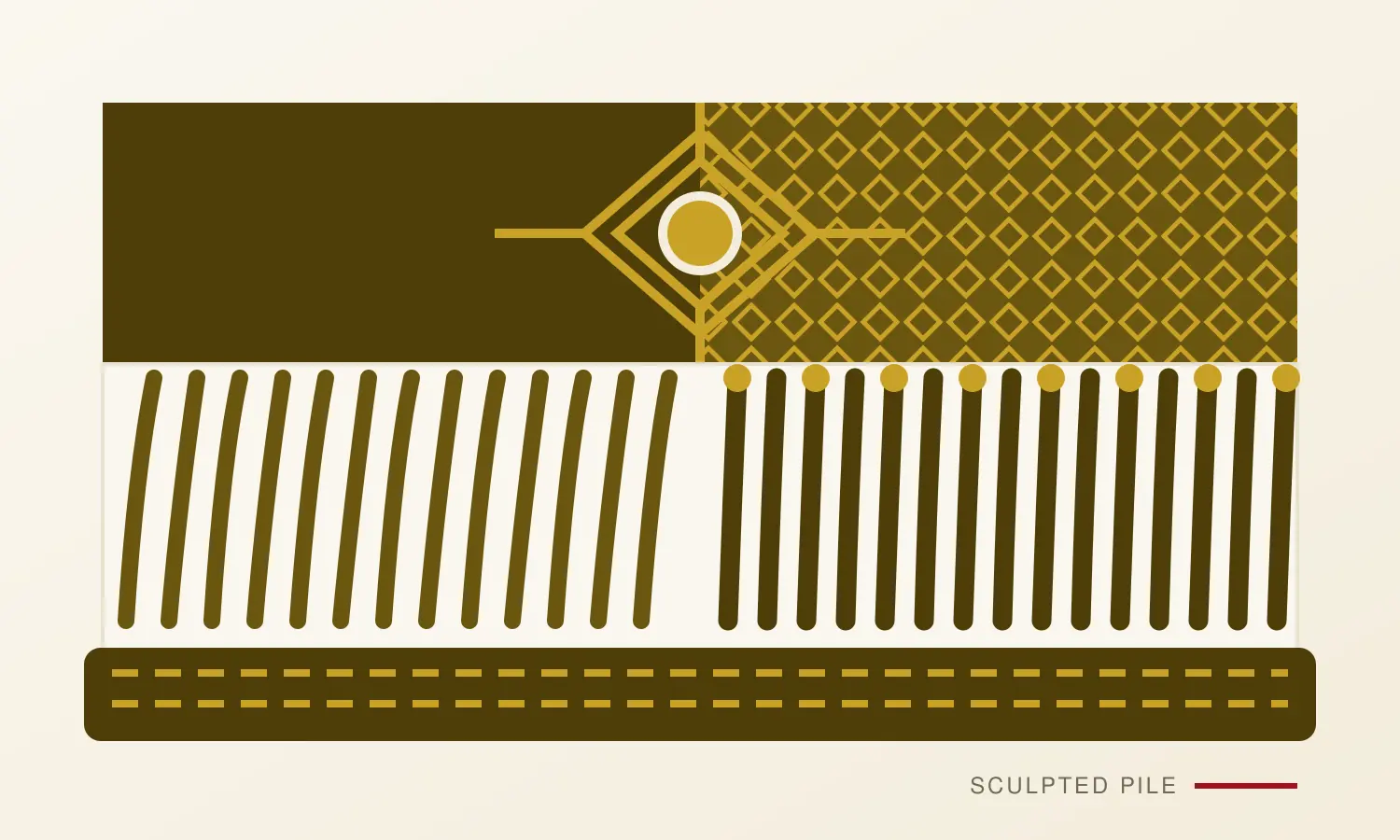
Shrink refers to a heat treatment applied to the pile yarn. Certain synthetic fibres — most commonly polypropylene, polyester and acrylic blends — are engineered to contract when exposed to controlled heat. The mill weaves the carpet with this yarn at full length, then passes the finished goods through a heat setting process. As the yarn contracts, the pile tightens, the surface gains relief, and the woven pattern becomes visibly sharper.
The effect is not simply decorative. Shrinking increases pile density without adding more yarn, which is why shrink carpets feel substantially heavier in the hand than their raw weight suggests. It also sculpts the surface: areas of the design contract at slightly different rates, producing a gentle carved texture that catches light.
Single Shrink vs Double Shrink
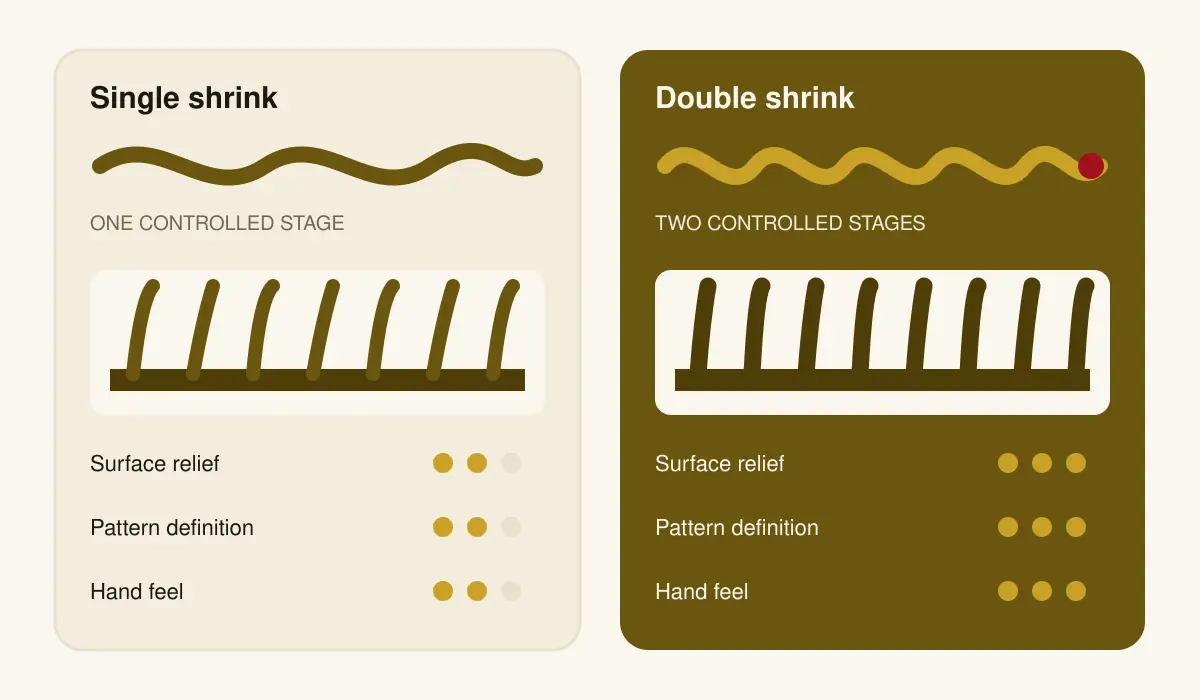
The distinction is straightforward: single shrink carpet passes through the shrink process once, double shrink passes through it twice, usually with an additional twist stage in between.
- Surface relief. A single shrink carpet has a soft, lightly textured face. Double shrink produces pronounced relief, closer to the look of a hand-carved rug.
- Pattern definition. The second pass tightens the pile further, so medallions, borders and fine ornament read more crisply from standing height.
- Hand feel. Double shrink has a firmer, springier handle. Single shrink stays softer and more fluid.
- Cost. The extra process stage, the additional yarn consumption and the longer production cycle all make double shrink the more expensive specification.
Neither is objectively better. Single shrink suits buyers who want a soft, affordable, high-volume product; double shrink suits those selling on visual richness and perceived quality. You can see both approaches in our Double Shrink and Single Shrink collections.
How a Double Shrink Carpet Is Produced
Production follows a predictable sequence in most Gaziantep mills:
- Yarn preparation. Heat-reactive yarn is twisted and heat set to lock in the twist.
- Weaving. The carpet is woven on a face-to-face Wilton loom, with the design carried by a jacquard head.
- First shrink. Controlled heat contracts the pile for the first time, tightening the structure.
- Second shrink. A second pass deepens the relief and sharpens the pattern edges.
- Shearing and finishing. The pile is sheared level, the back is coated, and edges are overlocked or fringed.
- Inspection. Each piece is checked for shade consistency, pile defects and dimensional accuracy before packing.
Why Buyers Specify Double Shrink
Double shrink sits in a useful commercial position: it looks considerably more expensive than it costs. For retailers competing against hand-knotted and hand-tufted goods, that gap is the entire proposition.
- Premium appearance at machine-made pricing. The sculpted surface reads as craftsmanship to an end customer.
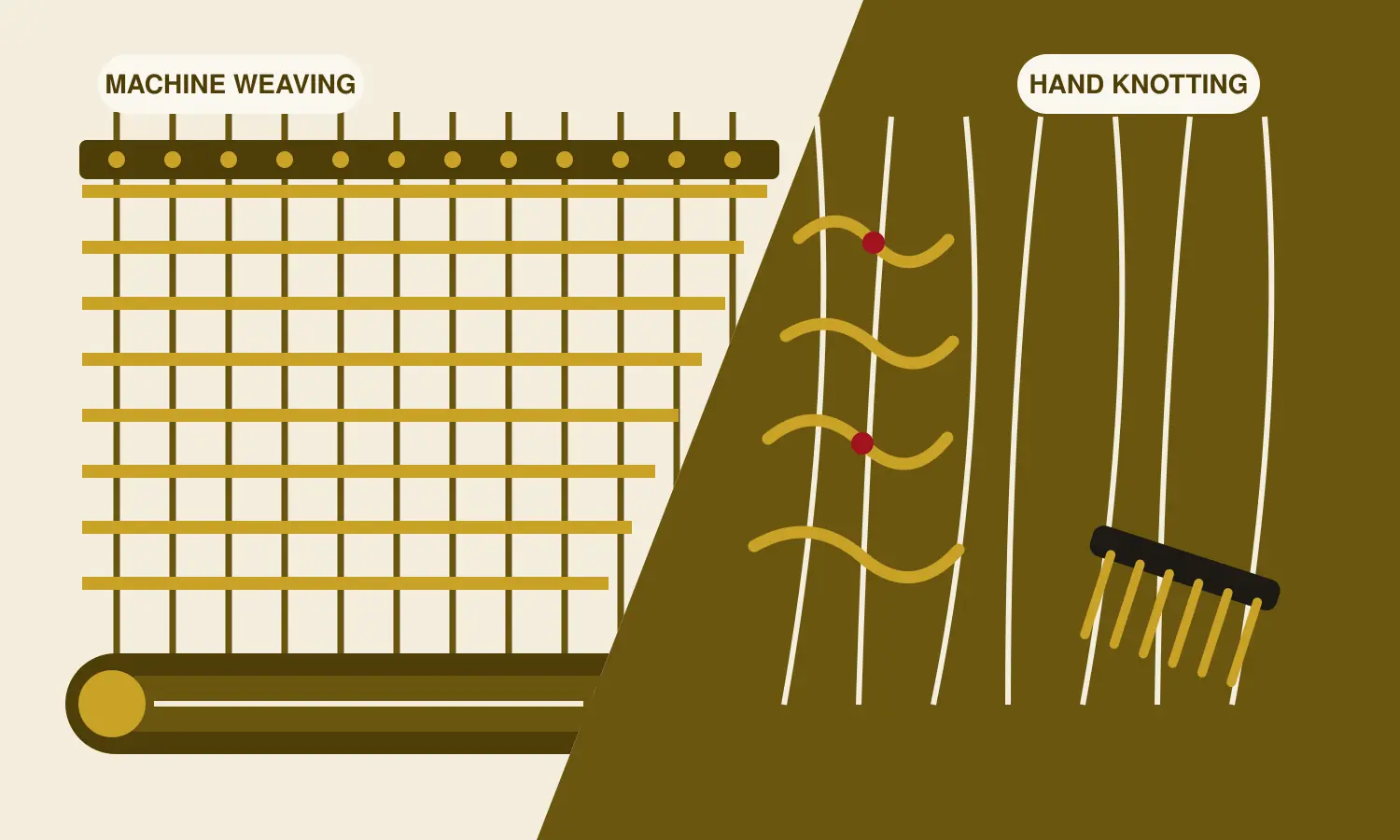
- Consistency. Unlike handmade rugs, every piece in a production run matches, which matters for multi-unit and contract orders.
- Durability. The denser pile resists crushing and recovers better under foot traffic.
- Colour depth. The relief creates subtle tonal shifts across the surface, so two-colour designs look considerably richer than a flat weave of the same palette.
Our recent Luke and Tara patterns show the range the technique allows — from washed classical medallions in beige and cream through to high-contrast navy and black colourways.
Where Double Shrink Carpets Work Best
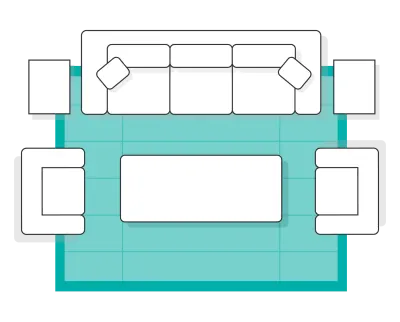
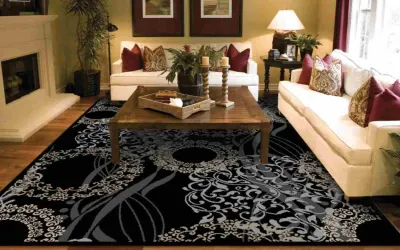
These are living space products. The texture and pattern definition are wasted in a utility area and shine in rooms where the floor is part of the decoration: living rooms, bedrooms, hotel suites, boutique retail, showrooms and reception areas. They also perform well as area rugs over hard flooring, where the sculpted surface defines the seating zone visually.
For very heavy commercial traffic — airport concourses, large mosques, open-plan offices — a wall to wall or BCF construction is usually the better engineering choice.
Care and Maintenance
Double shrink carpets are low maintenance, with two caveats. Vacuum without a hard beater bar, since aggressive brushing flattens the relief that you paid for. Rotate area rugs periodically so that sunlight and traffic age the surface evenly. Spills should be blotted rather than rubbed; the tight pile holds liquid at the surface for longer than a loose weave, which gives you more time to lift it cleanly.
Frequently Asked Questions
Is double shrink carpet the same as hand-carved?
No. A hand-carved rug is sculpted with shears after weaving. Double shrink achieves a related visual effect through heat contraction, at a fraction of the labour cost and with complete piece-to-piece consistency.
Does the carpet continue to shrink after delivery?
It should not. The shrink process is completed and heat set at the mill, which is precisely what stabilises the dimensions. Residual movement is a sign of incomplete heat setting and is one of the things worth checking when you qualify a supplier.
What fibres are used for double shrink carpets?
Most commonly heat-reactive polypropylene and polyester, often blended for a specific handle. The fibre choice drives the price, the sheen and the stain behaviour, so it is worth agreeing in writing before production.
Specifying Double Shrink for Your Market
When you request a quotation, confirm the fibre, the pile height, the total weight per square metre, the backing type and the available sizes. Ask for a physical sample in your shortlisted colourways: shrink texture photographs poorly, and the difference between single and double shrink is something you understand in the hand within seconds.
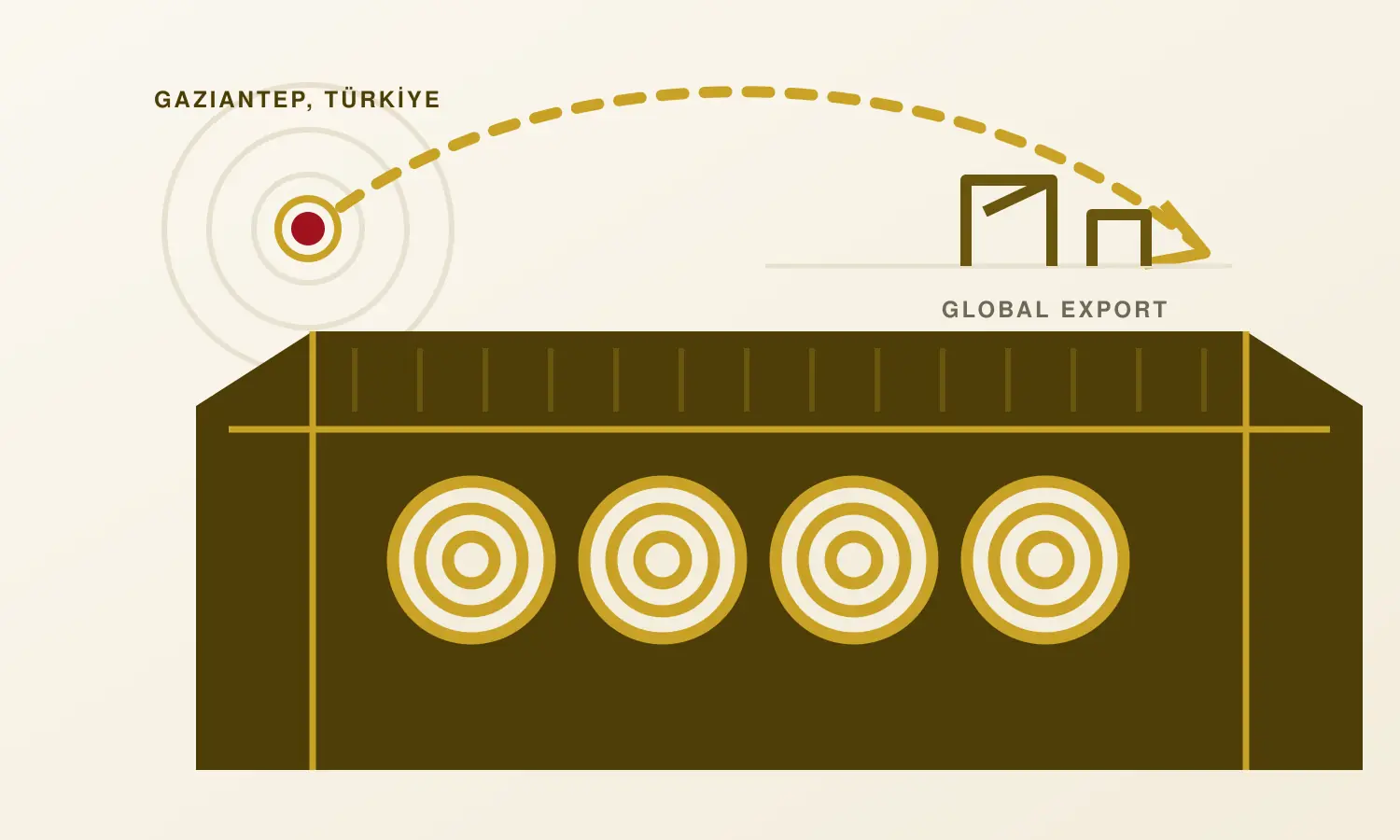
Melikhan Carpets manufactures and exports machine-made carpets from Gaziantep to buyers worldwide. Contact our export team for current collections, sample dispatch and wholesale pricing.