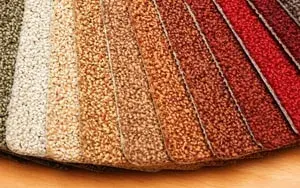

Turkey is one of the largest carpet exporting countries in the world, and Gaziantep is the centre of its machine-made production. For a first-time importer the opportunity is obvious and the process is not. This guide walks through the practical sequence of a wholesale carpet import, from the first enquiry to the container arriving at your warehouse.
Why Buyers Source Carpets From Turkey
- Manufacturing depth. Gaziantep's mills, yarn producers and finishing plants sit within a few kilometres of each other, which shortens lead times and keeps costs competitive.
- Design heritage. Turkish mills have been interpreting classical Anatolian, Persian and Caucasian patterns for generations, alongside contemporary ranges.
- Logistics position. Turkey sits between Europe, the Middle East, Central Asia and North Africa, with established road and sea freight routes to all of them.
- Range. A single supplier can usually cover area rugs, wall to wall broadloom, prayer rugs and runners, which simplifies consolidation.
The Import Process, Step by Step
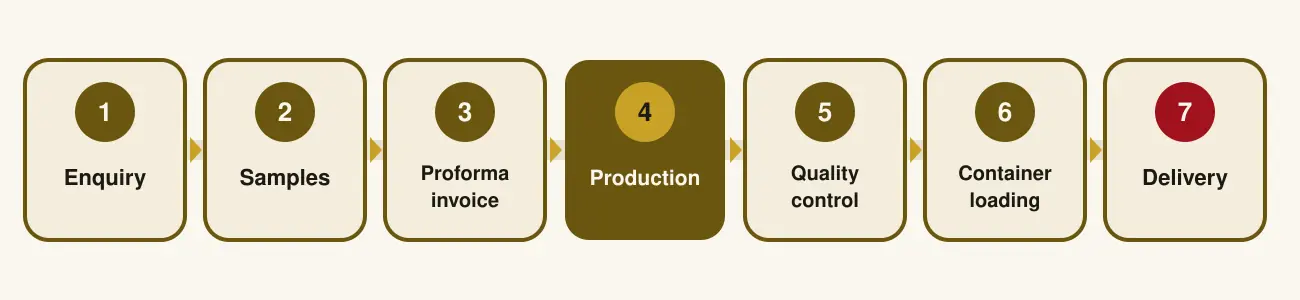
1. Define what you are buying
Before contacting suppliers, write down your target: construction type, fibre, pile height, weight per square metre, size range, colour direction and your landed cost ceiling. Buyers who approach a mill with a clear specification get accurate quotations; buyers who ask "what is your best price for carpets" get a number that means nothing.
2. Qualify the supplier
Confirm you are dealing with the manufacturer rather than an intermediary, and verify the company is a registered exporter. Ask which markets they already ship to, request references in your region, and ask to see the production facility — in person or on a live video walkthrough.
3. Request samples
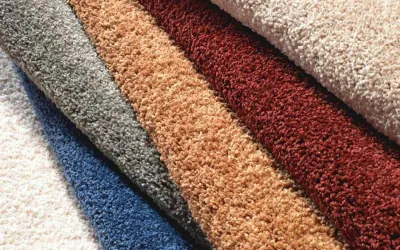
Never order a container from photographs. Carpet texture, exact shade and hand feel do not survive a screen. Request physical samples in your shortlisted designs and colourways, and keep the approved sample as your quality reference for the production run.
4. Agree the proforma invoice
The proforma invoice is the contract. It should state product codes, specifications, quantities, unit prices, total value, Incoterm, payment terms, production lead time, packing method and port of loading. Read every line; this is the document your claim rests on if the goods do not match.
5. Production and quality control
Typical lead times for machine-made carpet run from a few weeks for stock items to considerably longer for custom designs and large volumes. Agree in advance whether inspection happens in-house, by your own agent or by a third-party inspection company, and what the tolerance is for shade variation.
6. Documentation and loading
A standard export shipment needs a commercial invoice, packing list, bill of lading and certificate of origin. Depending on your market you may also need a EUR.1 or A.TR movement certificate, fumigation or conformity documents. Confirm who prepares each one.
7. Freight, customs and delivery
Your Incoterm decides where the supplier's responsibility ends and yours begins. Clear customs with a broker who has handled textile floor coverings before — classification errors on carpet HS codes are a common and expensive delay.
Understanding Incoterms Before You Negotiate
Price comparisons between suppliers are meaningless unless the Incoterm matches.
- EXW (Ex Works). You collect from the factory and carry every cost and risk from that point. The lowest headline number and the most work.
- FOB (Free On Board). The supplier delivers to the port and loads the vessel; you take over from there. The most common basis for container shipments.
- CIF (Cost, Insurance and Freight). The supplier arranges sea freight and insurance to your destination port. Convenient, but you inherit their freight rate.
- DAP / DDP. Delivery to your address, with DDP including import duties. Simplest for a first import, and priced accordingly.
Container Planning
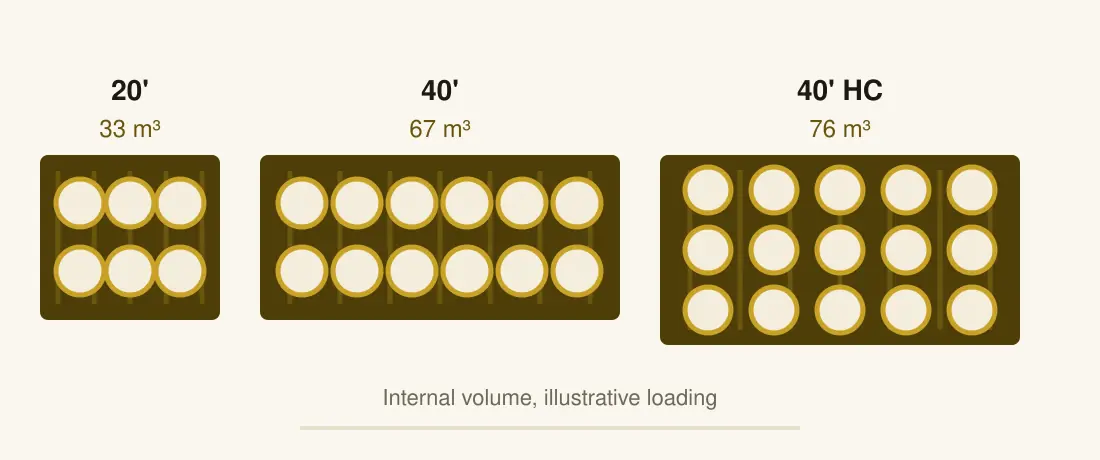
Carpets ship rolled, and volume fills before weight does. The practical planning figures are the internal volumes: roughly 33 m³ for a 20 foot container, 67 m³ for a 40 foot, and 76 m³ for a 40 foot high cube. Because carpet is light relative to its bulk, most orders cube out long before they reach the weight limit, which makes the high cube the usual choice for area rugs and broadloom.
Ask your supplier for a loading plan before you confirm quantities. Mixing sizes and designs intelligently can add a meaningful number of pieces to the same container, and that gain goes straight to your landed cost per unit.
Payment Terms and Protecting Yourself
The common structure is a deposit against order confirmation with the balance due before shipment or against documents. A letter of credit gives both sides protection on larger orders at the cost of bank fees and paperwork. Whatever you agree, pay into the company account named on the proforma invoice — never to a personal account, and never to account details that arrive by email as a last-minute change. Invoice redirection fraud is the single most common way importers lose money, and a phone call to a known number prevents it.
Frequently Asked Questions
What is the minimum order quantity?
It varies by mill and by product. Stock designs can often be bought in small quantities; custom colourways and private-label production carry higher minimums because of setup cost. Ask early, because it shapes your whole plan.
Can I mix different designs in one container?
Usually yes, and most first orders do. Mixing lets you test several ranges in your market before committing to depth on any one of them.
Do I need to visit Turkey to place an order?
No. Most export business runs on samples, video calls and documented specifications. A visit is still worthwhile before a long-term relationship, and the Gaziantep and Istanbul trade fairs are the efficient way to do it.
Starting the Conversation
A good first enquiry is short and specific: what you sell, which markets you serve, the construction and price band you are targeting, your approximate annual volume and your destination port. That single paragraph lets a manufacturer answer with real numbers instead of a catalogue.
Melikhan Carpets is a carpet and rug manufacturer and exporter based in Gaziantep, shipping to buyers worldwide. Browse our collections or contact our export team for specifications, samples and wholesale pricing.